
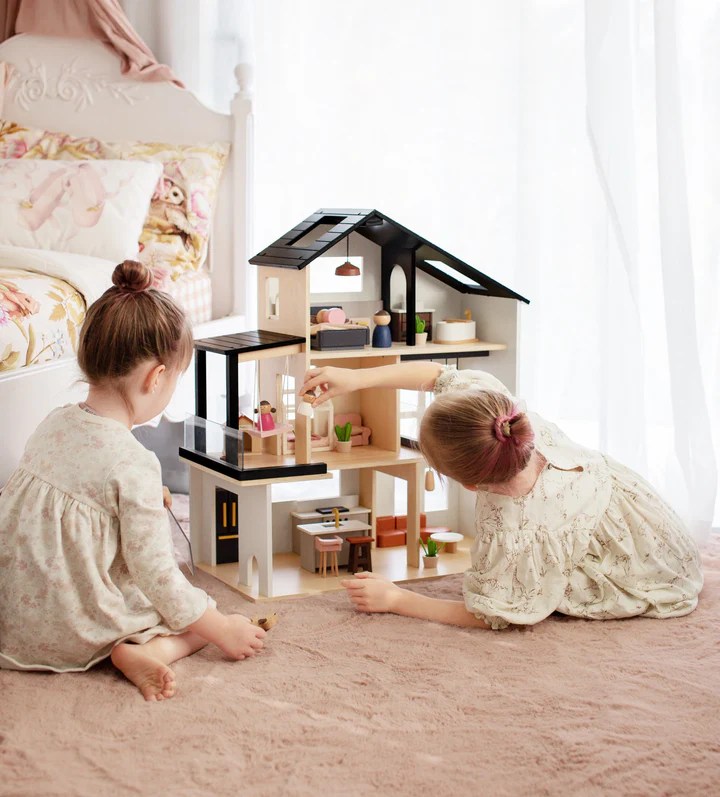
Summer can indeed be a challenging time for busy and working parents. With school out, balancing work, childcare, and family time becomes even more pressing. However, with thoughtful planning and creative strategies, it is possible to make summer both rewarding and enjoyable for parents and children. One often overlooked aspect is the value of allowing children to experience boredom. Here’s why embracing boredom during the summer can benefit your children.
The Benefits of Boredom for Children
Fosters Creativity and Imagination
Boredom can act as a strong catalyst for creativity. When children have no structured activities, they are more likely to use their imagination and invent new ways to entertain themselves. This can result in a child developing a new game, story, or project. ( Psychology Today).
Encourages Problem-Solving Skills
Boredom can challenge children to find solutions to their problems, which can foster critical thinking and problem-solving abilities essential for their development. (Child Mind Institute, Sanford Health News).
Promotes Independence
Navigating boredom helps children become more independent. They learn to rely on themselves for entertainment and satisfaction rather than constantly seeking attention from parents or turning to electronic devices (Psychology Today).
Teaches Patience and Resilience
Experiencing periods of inactivity teaches children patience and resilience. They would understand that it is okay not always to be entertained and to learn to wait or make the best of idle time. (Child Mind Institute).
Strategies for Parents
Plan Ahead
Creating a summer calendar that outlines work commitments, children’s activities, and family time can be beneficial. Include unscheduled times when children can experience boredom, helping them understand that not every moment needs to be filled with structured activities.
Utilize Summer Camps and Programs
While structured activities are important, avoid over-scheduling your children. Select a few camps or programs that interest them but leave some weeks or days open for free play and boredom (Psychology Today).
Flexible Work Arrangements
If possible, arrange for flexible work hours or remote work to spend more time with your children. This allows you to balance your work responsibilities while also being present during moments when your child might need guidance to find their entertainment.
Collaborate with Other Parents
Consider setting up a parent co-op where families can take turns watching the children. This will not only reduce childcare responsibilities for each family but also allow children to interact and play with their friends, providing more opportunities for imaginative and unstructured play.
Create a Home Schedule
Establish a daily home schedule that includes time for chores, reading, outdoor play, and creative activities. Make sure to incorporate some downtime where children can experience boredom and learn to entertain themselves (Sanford Health News).
Engage in Family Activities
Plan simple family activities like game nights, picnics, or movie marathons. These can be low-key and provide a break from structured activities, allowing children to enjoy family time and also have periods of independent play.
Involve Kids in Daily Tasks
Involve your children in household chores. This not only helps them learn valuable life skills but also provides moments of inactivity where they can figure out their ways to stay engaged.
Encourage Independent Play
Provide your children with materials and ideas for independent play. Let them explore and create new things on their own, which can lead to moments of boredom that inspire creativity and innovation (Child Mind Institute, Sanford Health News).
Set Up a Support Network
Having a reliable support network can make a significant difference. Reach out to family members, friends, or trusted neighbors who might be willing to help with childcare, giving you peace of mind and flexibility.
Take Care of Yourself
Remember to take care of yourself as well. Balancing work and childcare can be exhausting, so find time for self-care. A well-rested and happy parent is better equipped to handle the summer challenges and enjoy family time.
Embracing Boredom: A Personal Experience
Parents need to allow kids to experience boredom sometimes. In our household, my kids know the rule of no iPads or TV first thing in the morning. However, during the summertime, they often want to bend this rule, frequently expressing how boring they are. But the rule stands firm.
I’ve noticed that when I tell my son to take a break from his iPad, he accepts it unwillingly. However, there was one particular day when he wasn’t happy about it. He was watching his favorite kids’ video when his screen time was up. He pleaded to continue, claiming he’d be bored without something to do. I told him to find something else to occupy his time, and then I returned to work.
A few minutes later, I checked on him and found him drawing a character from his favorite TV show. His attention and interest were completely absorbed in his creative activity. This incident highlighted how boredom can lead to creative expression and independent play.
Balancing work and childcare during the summer can be challenging, but with careful planning and creativity, it is possible to create a harmonious and enjoyable summer for everyone. Utilizing resources like summer camps, flexible work arrangements, and a strong support network can ensure children have a fun and enriching summer while parents meet their work commitments.
As Al Roker from the 3rd Hour of TODAY says, “Kids should be bored during summer. Why? Because they have to learn to live with themselves and do stuff. Our job is not to entertain our children every minute.” Embrace the summer as an opportunity for growth, creativity, and quality family time (Parents: Parental Guidance).
By adopting these strategies, busy and working parents can navigate the summer months with confidence and ease, creating a season full of wonderful memories for the whole family. Remember, the goal is to find a balance that works for your family and allows you to enjoy the summer months together.
 Beautiful Inside Out